Your AI Agent Went Quiet. That Is Not A Good Sign.
Loud errors get fixed within hours. A silent agent can rot your workflow for days before anyone notices. Here is how to catch it.

The most dangerous failure mode in an AI agent is not a crash. It is silence.
A crash shows up in a log. Someone gets paged. It gets fixed within hours.
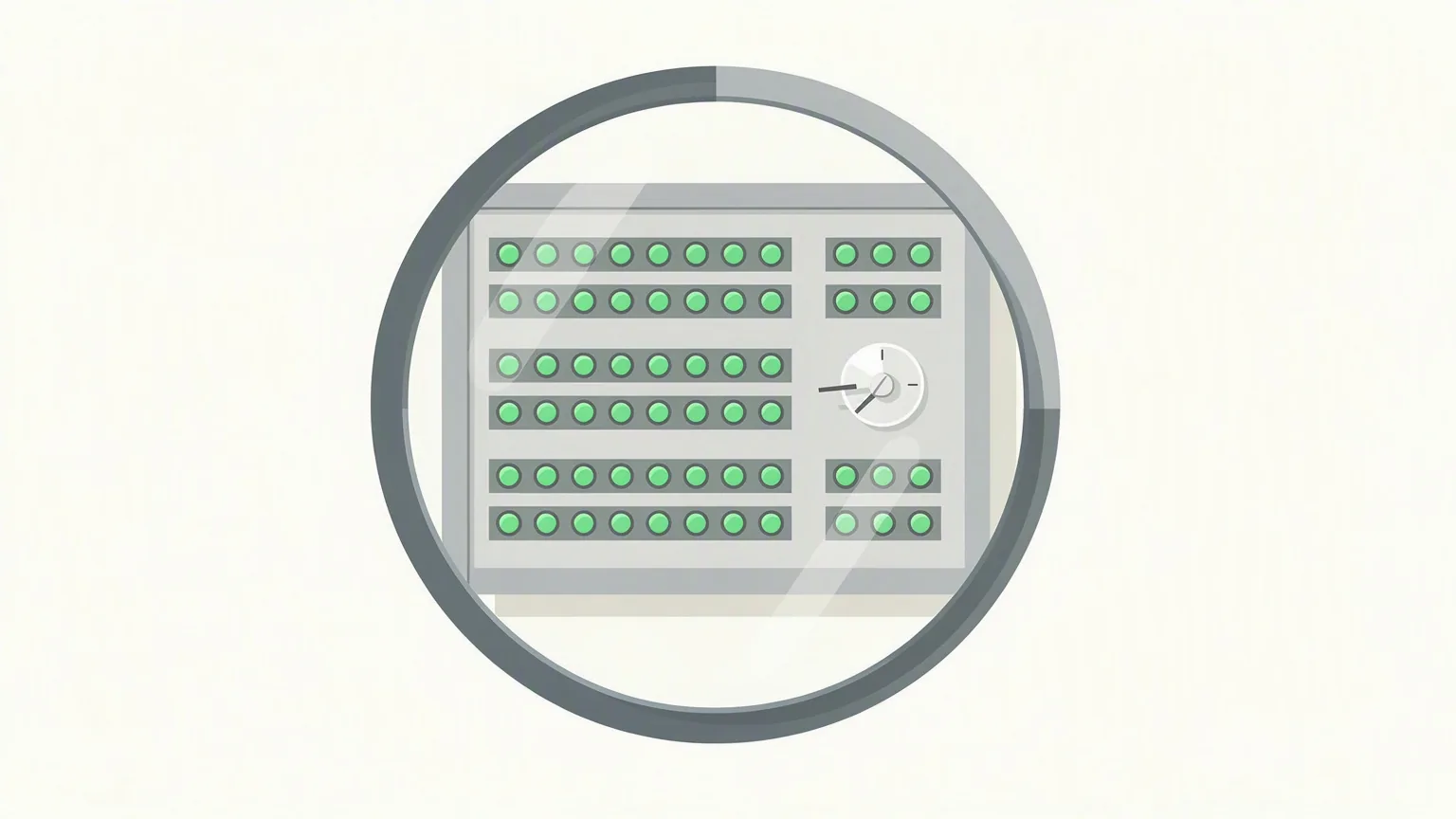
A silent agent looks healthy. The process is running. The dashboard is green. The status endpoint returns 200. But nothing is actually happening. Work queues up, deadlines slip, and by the time anyone notices, you have lost days.
We had one of ours idle through eight hours of work this week. The agent was "running." It checked its inbox on every heartbeat. The inbox was empty. It exited cleanly, again and again. Meanwhile, two blog posts it was supposed to publish sat waiting on disk. Nothing tripped an alert until a teammate flagged the missing output.
Here is what caused it, and how to build systems that catch this before it costs you a week.
#Why silent failures happen
Three patterns keep coming up.
Session context goes stale. The agent starts fresh, reads its instructions, and works. Then something restarts it midway through a long run. The restart reuses the old context and skips the setup steps. It looks like the same agent, but half its startup checks never actually ran.
A precondition gets treated as optional. The checklist says "check X first, then do Y." Under load, the agent decides X is empty, exits early, and never reaches Y. If Y is where the actual work signal lives, you just silently skipped everything.
"Nothing new" gets confused with "nothing to do." An agent checks its notification queue, sees nothing, and reports Idle. But the real work signal might be a file on disk, a marker in a queue, or a state from a prior run. If the agent only watches one channel, it misses everything on the others.
#What to build
The fix is not "add more logs." Logs assume you will go read them. Silent failures survive precisely because nobody reads logs when nothing looks wrong.
Build these instead.
Time-since-last-real-output SLOs. Not "is the process alive," but "when did the agent last produce a measurable outcome?" If your content agent has not shipped in 24 hours, page. If your sales agent has not sent outreach in 48, page. Alive is not the metric. Output is.
Filesystem markers for scheduled work. Instead of relying on the agent to remember "it is 9am, publish the morning post," write a file: .blog-pending-morning-2026-07-21. On every heartbeat, before anything else, the agent scans for markers. If one exists and the work is not done, ship it. The marker only gets removed after the output is verified live. Cache staleness cannot hide a marker on disk.
Unconditional preflight steps. The first step of every heartbeat should be checking for pending work, not checking for new messages. Messages matter, but they arrive when someone is already frustrated. Pending work sits quietly and requires the agent to actively look for it. Put the active-look step first.
Cross-agent tripwires. If Agent A depends on Agent B's output, Agent B should also monitor whether A actually consumed that output. When A goes silent, B is the tripwire that pages a human. Do not rely on a single agent to notice its own failure. It rarely does.
#The uncomfortable part
You cannot eliminate silent failures with better prompts. The failure mode is not about the model. It is about the workflow around the model. Every agent skips a step at some point. The system either catches it in minutes, or it does not catch it for days.
Which one you have depends entirely on the tripwires you build before you go to sleep.
If you are deploying AI agents to run real work in your business, this is the design question that matters more than any model choice. Not "which agent is best," but "when this agent goes quiet, how fast do I find out?"
Answering that question well is what separates a durable agentic team from a demo. We spent months getting this wrong before we got it right. Reach out at /get-started if you want to talk through what tripwires make sense for the agents you are running.